Rarity tiers
Skins are colour-graded from Consumer (white) up through Mil-Spec (blue), Restricted (purple), Classified (pink) and Covert (red), with rare special items and knives on top.
Read the CS2 skins guide →Stash Clash is an independent hub for learning how cs2 skins and csgo skins actually work - from rarity tiers and wear values to cs2 cases, case prices and the wider cs2 skin market. Inspired by the layout of stash.clash.gg, it organizes clash skins and clash gg skins knowledge into clean cards and lists you can scan in minutes - no hype, no account logins.
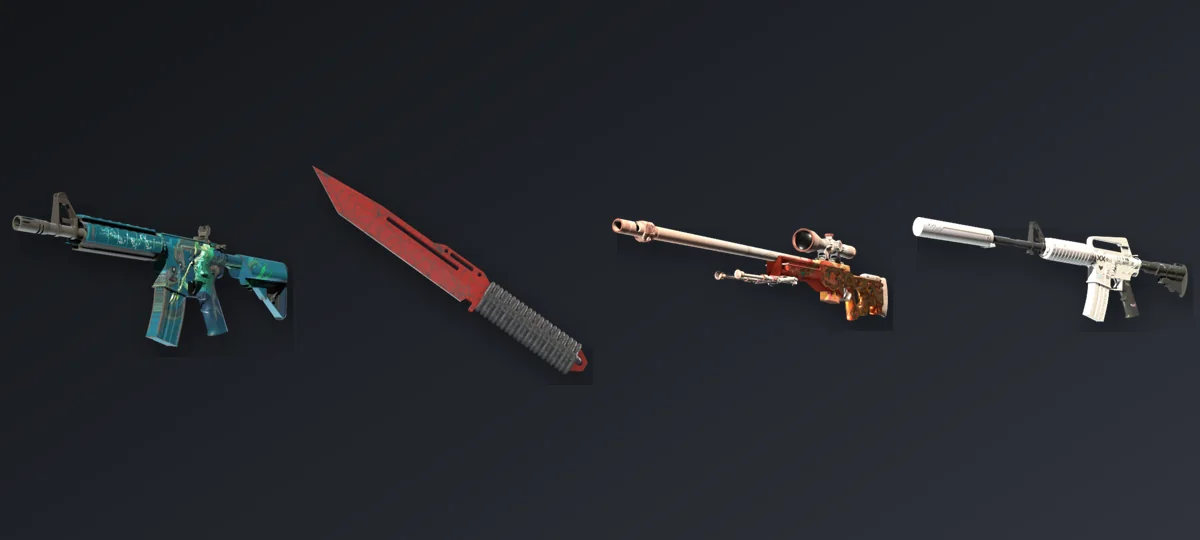
Stash Clash is an independent, third-party guide to CS2 and CSGO skins and the wider skin market, laid out in a familiar clash-style format. It is not an official site and is not affiliated with clash.gg or stash.clash.gg - it simply structures public information about cases, weapon skins and prices into readable guides. Nothing is sold or traded here, and every figure shown is illustrative only. Think of it as a friendly entry point to cs2 skins, clash skins and the cs2 skin market.
Every weapon skin in Counter-Strike 2 is defined by three things: its rarity tier, its wear condition and its float value. Understanding this trio is the fastest way to read skin prices correctly and to avoid overpaying on the cs2 skin market.
Skins are colour-graded from Consumer (white) up through Mil-Spec (blue), Restricted (purple), Classified (pink) and Covert (red), with rare special items and knives on top.
Read the CS2 skins guide →Factory New, Minimal Wear, Field-Tested, Well-Worn and Battle-Scarred describe visible wear. A hidden float number from 0 to 1 sets the exact grade.
See weapon skins →Finish styles - solid colour, gradient, marble fade, doppler and case-hardened - change how the same skin looks and how its price is judged.
Explore the skin market →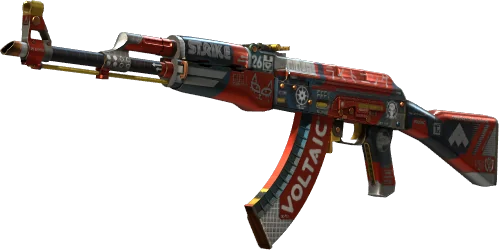
A flagship Covert AK finish and a common reference point for rifle prices.
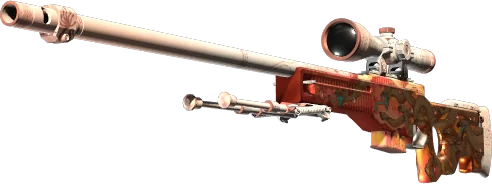
A collectors' AWP that shows how supply drives high-tier skin prices.
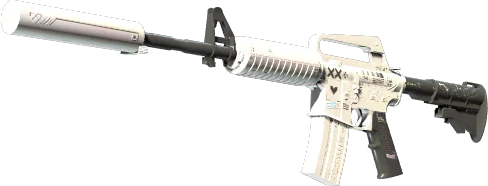
One of the most requested M4 skins, useful for tracking market trends.
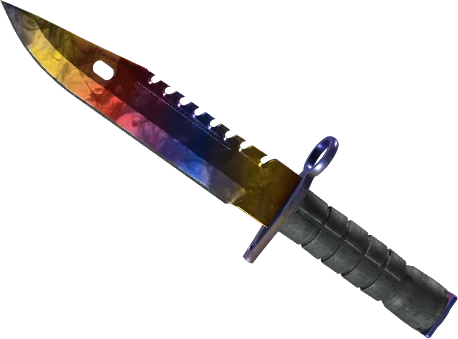
Knives sit at the top of most collections and set the price ceiling.
CS2 inherited its entire economy from CS:GO. Every csgo skin, collection and csgo case you owned carried straight into Counter-Strike 2, which is why old finishes still influence today's cs2 skin market.
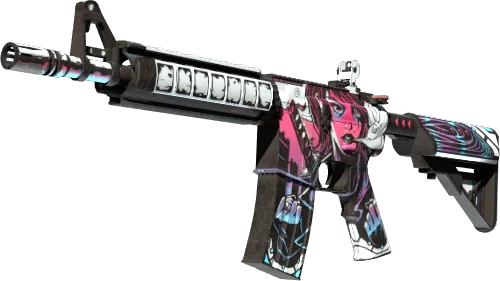
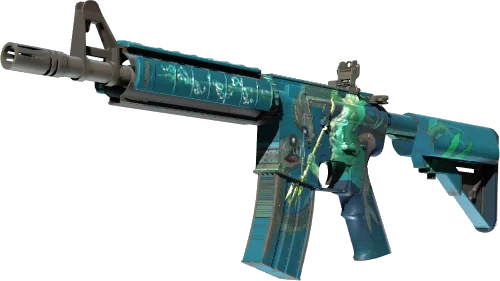
A cs2 case is a sealed container that needs a matching key to open. Each case holds a fixed pool of weapon skins across rarity tiers, plus a rare chance at a knife or gloves. Knowing a case's contents is the key to reading cs2 case prices.
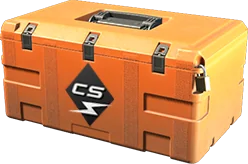
Modern case with the Kukri knife pool.
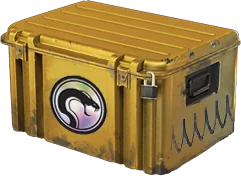
Popular source of budget rifle finishes.
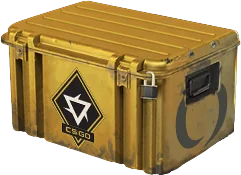
Contains a widely traded set of skins.
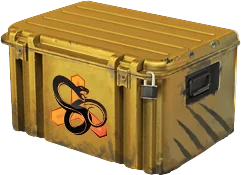
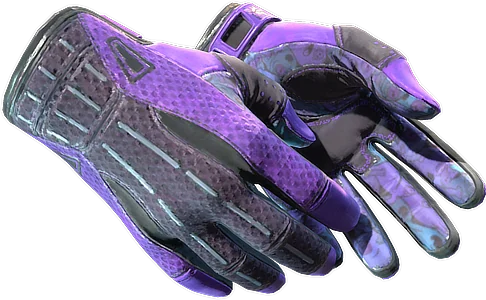
Affordable case with gloves in the rare pool.
Two things set cs2 case prices: whether the case still drops in-game, and how desirable its skin pool is. Retired cases with strong finishes tend to climb, while active cases stay cheap because supply refills every week.
| Case | Status | Notable pull | Illustrative price |
|---|---|---|---|
| Kilowatt Case | Active drop | Kukri Knife | ~ $2.50 |
| Snakebite Case | Active drop | Broken Fang Gloves | ~ $0.30 |
| Prisma Case | Rare drop | Horizon Knives | ~ $1.10 |
| Spectrum Case | Retired | AWP Fever Dream | ~ $3.40 |
| Operation Broken Fang | Retired | M4A1-S Printstream | ~ $18.00 |
All figures are illustrative and for education only - always check a live market before making any decision.
Browse Case PricesThe cs2 skin market behaves like any collectibles market. Prices come from the balance of how many copies exist, how many players want them and which exact wear or pattern is on offer. A Factory New copy of a skin can cost many times more than a Battle-Scarred one of the same weapon.
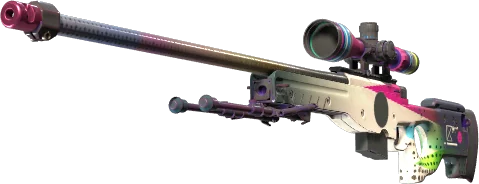
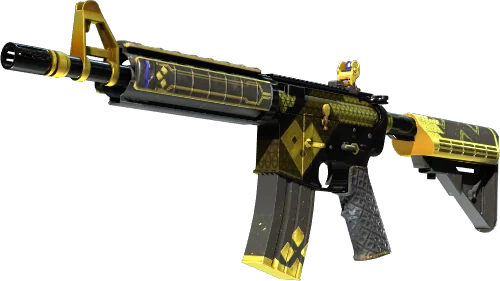
From entry-level rifles to top-tier knives and gloves, weapon skins fall into clear categories. Browsing by weapon type is the quickest way to compare finishes and understand where your budget goes.
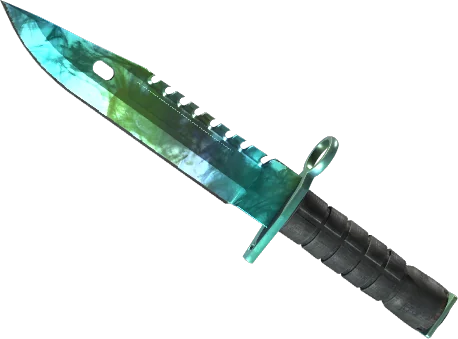
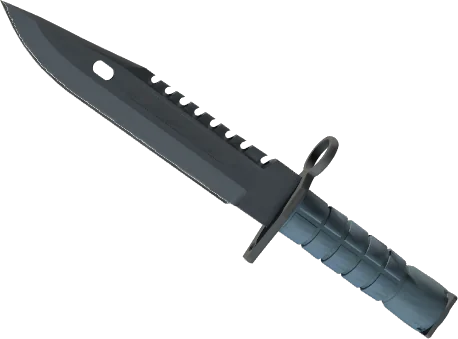
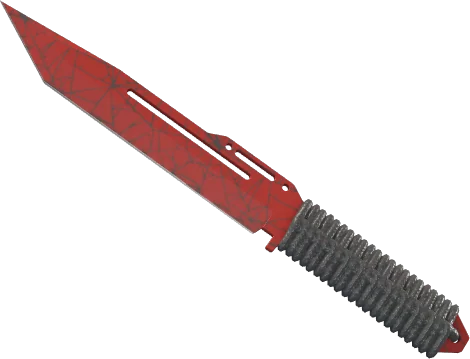
Cases are grouped into families and eras. Learning which containers belong together helps you recognise finishes, predict rarity pools and read case prices at a glance.
The Prisma and Prisma 2 cases share a bright, colourful design language and introduced the Horizon and Doppler knife pools respectively.
Older families with iconic AWP finishes. As legacy csgo cases, their retired status often supports steadily rising case prices.
Operation Broken Fang and Clutch cases packaged premium skins around limited events, making them collector favourites today.
Read our structured guides first, then continue to the external platform to watch how case opening works. Informational only, strictly 18+.
These are common topics visitors research when they land on a stash clash style guide. Each links to the page that answers it best.
Technically nothing - CS2 skins and csgo skins are the same items. When CS:GO became Counter-Strike 2, every skin, case and sticker moved into the new game unchanged, just re-rendered on the Source 2 engine.
Skin prices are driven by supply, demand and condition. Rarer finishes, lower float values and popular weapons cost more, while common Battle-Scarred skins are usually the cheapest way to own a particular design.
CS2 cases are sealed containers that require a matching key to open. Each contains a fixed pool of weapon skins across rarity tiers, plus a small chance at a knife or gloves.
Active cases keep dropping in-game, so they stay cheap. Retired cases no longer drop, so their supply tightens over time and their case prices tend to rise.
Float is a hidden number from 0 to 1 that sets a skin's exact wear. Lower floats look cleaner (Factory New), higher floats show more wear (Battle-Scarred), and this strongly affects price.
No. Every figure here is clearly labelled illustrative and is used only to explain relationships between items. Always consult a live market for current numbers.
No. StashClash is an informational guide. We do not sell, buy or trade skins; we explain how the cs2 skin market and case opening work.
"Stash clash" is the community-style theme of comparing collections - one player's stash of skins against another's. Our site uses it as a friendly frame for organised guides.
No. All ten guide pages are free to read. The only external link is an optional, clearly marked 18+ case-opening platform.
No. StashClash is independent and not affiliated with Valve Corporation, Steam, Counter-Strike 2 or any official publisher.
StashClash exists to make the world of cs2 skins and csgo skins easy to understand without wading through hype. Counter-Strike has one of the deepest cosmetic economies in gaming, and for newcomers the vocabulary alone can be overwhelming: floats, wear tiers, StatTrak counters, souvenir packages, phase dopplers and dozens of case families. Our approach is deliberately clean - short definitions, scannable cards and structured lists - so you can build a reliable mental model of how everything fits together.
The foundation of everything is the weapon skin. A skin is a cosmetic finish applied to a gun, knife or pair of gloves. It changes appearance only and has no effect on gameplay. What makes skins interesting is that each one exists in a specific rarity tier and a specific wear condition, and those two factors combine with overall demand to produce the skin prices you see quoted across the community. A Covert-tier rifle in Factory New condition can command a very different price from the same rifle in Battle-Scarred, even though the underlying design is identical.
CS2 cases are the primary way new skins enter circulation. A case is a sealed container tied to a specific collection, and opening it requires a matching key. Inside is a weighted pool of skins spanning several rarity tiers, topped by a rare chance at a knife or gloves. Because the odds favour common items, most openings return low-value skins - which is exactly why understanding cs2 case prices and expected value matters before anyone decides to open anything. Our CS2 cases guide and case prices page break this down with clear tables.
The cs2 skin market ties it all together. Prices are never fixed; they float with supply and demand just like any collectibles market. When a case is retired and stops dropping, the skins inside it become gradually scarcer, and their prices often drift upward. When a professional player brings a particular finish into the spotlight at a major tournament, demand can spike overnight. Stickers, rare patterns and low float values layer additional premiums on top. Our skin market page explains these forces so you can interpret any price you encounter with a critical eye.
Because CS2 inherited its economy directly from CS:GO, legacy csgo cases and csgo skins remain central to the modern market. Many of the most sought-after finishes originated years ago and simply carried forward. That is why our CSGO skins guide and CSGO cases guide sit alongside the CS2 material - you cannot fully understand today's prices without the history behind them.
Throughout the site you will find the phrase stash clash used as a light, community-friendly theme: the idea of comparing one collection, or stash, against another. It is a fun way to think about progression, but StashClash itself is strictly informational. We do not sell skins, we do not run trades, and every price shown is labelled illustrative. If you choose to continue to an external case-opening platform, that is an optional step, gated behind a clear 18+ confirmation, and entirely your decision. Start with our CS2 skins guide, then explore weapon skins and the FAQ to round out your understanding.
This link opens an external case-opening platform that is not part of this reference. Please tick both boxes to carry on.