CS2 Skin Market Explained
The cs2 skin market can look chaotic from the outside, but the numbers follow a few clear rules. This page breaks down how skin prices are formed by supply and demand, why float value moves the same skin across a wide price range, and how to read a listing before you trust the figure attached to it.
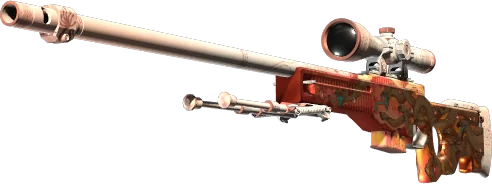
What the skin market actually is
The skin market is the collection of places where players buy, sell and trade cs2 skins - the in-game marketplace, third-party trading sites and community exchanges. Nothing here changes how a weapon shoots; every finish is purely cosmetic. What the market really trades is scarcity and desirability. A skin is worth what the next buyer will pay, and that number shifts constantly as new containers arrive, old ones retire and player tastes move on. Because the same designs carry over from Counter-Strike: Global Offensive, the csgo skins you remember are the same items priced on today's boards.
Supply and demand, the core engine
Every price starts with two forces pulling against each other. Supply is how many copies of a finish exist and how many owners are willing to sell right now. Demand is how many buyers want it and how much they will spend. When a popular case is actively dropping, supply of its skins grows and prices tend to soften. When a case stops dropping - see our note on retired supply below - new copies dry up and steady demand pushes prices the other way. The same logic drives cs2 case prices: containers that are still in the active drop pool cost little, while retired containers climb.
Float value and its effect on price
Beyond rarity, the single biggest swing factor is float. Every skin carries a hidden float value between 0 and 1 that decides how worn it looks, and that number maps onto five wear tiers. A finish near 0 looks crisp and clean; a finish near 1 shows heavy scratching and fading. Because one design exists across all five conditions, the same weapon skins can span a large price range purely on wear. Collectors also pay extra for the very lowest floats inside a tier, so a "0.00x" Factory New copy can command a premium over an ordinary one. For the full breakdown of tiers and floats, read the CS2 skins guide.
| Wear tier | Typical float range | Relative price index |
|---|---|---|
| Factory New | 0.00 - 0.07 | 100 |
| Minimal Wear | 0.07 - 0.15 | 78 |
| Field-Tested | 0.15 - 0.38 | 55 |
| Well-Worn | 0.38 - 0.45 | 44 |
| Battle-Scarred | 0.45 - 1.00 | 38 |
The index sets Factory New at 100 and shows how the same design tends to fall in relative value as wear increases. Figures are illustrative and not live quotes.
Wear tiers, StatTrak and sticker premiums
On top of the base price sit several optional premiums. StatTrak versions, which count kills on a small display, almost always cost more than their standard twins. Special patterns - case-hardened blues, marble fades, dopplers and fades - have pattern indexes that make certain copies rarer and pricier than others with the same name. Applied stickers add another layer: a common sticker is worth cents, while a rare tournament holo can add hundreds or even thousands on top of the skin underneath. When you compare two listings for what looks like the same item, these premiums usually explain the gap.
Retired supply and why some prices climb
Valve periodically moves older cases out of the active drop pool. Once a container retires, no fresh copies enter circulation, so the only supply is what players already hold. Steady demand against a fixed, slowly shrinking supply is why some older skins and containers drift upward over time. This is the same mechanism behind rising case prices for discontinued containers, and it is worth understanding before you read any figure as "cheap" or "expensive." Cases and skins are two sides of the same economy - the CS2 cases guide and CSGO cases guide cover where these items come from.
Skin market snapshot
A few finishes below show how rarity, wear and demand combine into very different price bands. Every figure is illustrative and for learning only.
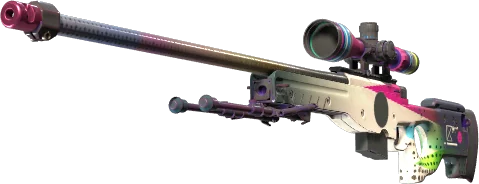
AWP CMYK
High-demand sniper finish; float and StatTrak swing the price hard.
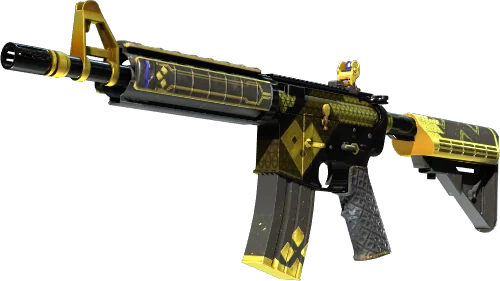
M4A4 The Coalition
Accessible finish where wear tier decides most of the value.
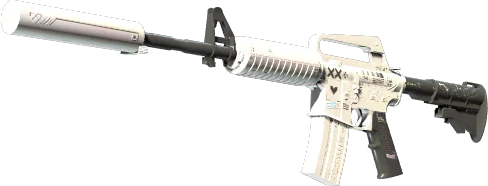
M4A1-S Printstream
Consistent demand keeps prices firm across most conditions.
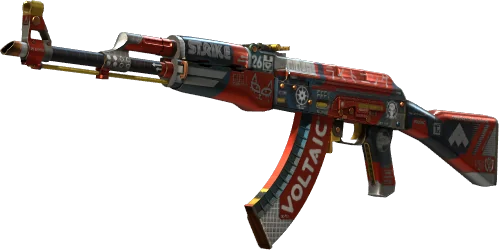
AK-47 Bloodsport
A flagship AK finish; low floats fetch a clear premium.
AWP Desert Hydra
Limited supply pushes this finish into the top price band.
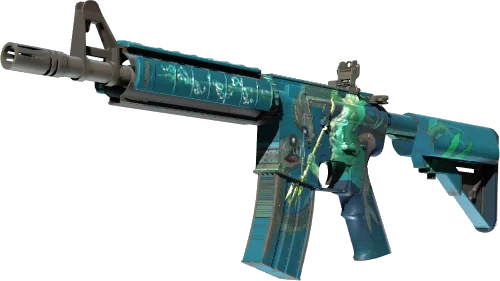
M4A4 Poseidon
Retired-collection scarcity keeps demand and price elevated.
How to read a skin price safely
Before you trust any number, check four things: the exact wear tier, the float within that tier, whether it is StatTrak, and what stickers are applied. Two listings with the same name can differ wildly once you account for those. Compare several sources rather than one, treat any single figure - including every price on this site - as a starting reference, and be wary of deals that look far below the going rate, since unusually low prices are a common warning sign. Always confirm current values on a live market, and browse the weapon skins overview or our FAQ if a term is unfamiliar.
Put the theory into context
Continue to the external, 18+ case-opening platform after reading the guides.
Frequently asked questions
What decides a skin's price on the market?
Rarity, wear tier and float, plus demand at that moment. StatTrak, rare patterns and stickers add premiums on top of the base value.
Why does the same skin have so many prices?
Because a single design exists across five wear tiers with different floats, and optional StatTrak or stickers change the item further. Each combination trades at its own price.
Do retired cases make skins more expensive?
Often, yes. When a case leaves the active drop pool, no new copies enter circulation, so steady demand against a fixed supply tends to lift prices over time.
Are cs2 skins and csgo skins priced the same way?
Yes. CS2 inherited the CS:GO inventory, so csgo skins and cs2 skins are the same items and follow the same supply-and-demand rules.
How do I avoid overpaying?
Confirm the wear, float, StatTrak status and stickers, compare several sources, and treat any single quote as a reference rather than a fixed truth.
Are the prices on this page real?
No. Every figure across StashClash is illustrative and for learning only. Always check a live market for current values.