CS2 Case Opening Guide
This CS2 case opening guide explains, in plain and calm terms, how the process actually works: why you need a key, how the weighted drop odds are structured, which rarity outcomes are possible and how to think about expected value. It is written for information only, for readers who are 18 or older, and it is not gambling advice.
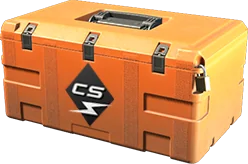
What case opening is
In Counter-Strike 2, case opening is the act of unlocking a sealed container to reveal one randomly selected cs2 skin from a fixed list. Each container, or case, ships with a published pool of possible finishes grouped by rarity. When a case is opened, the game selects a single item from that pool according to a set of built-in probabilities. Nothing about the outcome depends on skill, timing or how the animation looks - the result is decided the moment the container is unlocked. If you are new to the containers themselves, our CS2 cases guide covers where they come from and how their contents are organised.
Why you need a key
A case on its own cannot be opened. To unlock it you also need a matching key, which is a separate item. The case is the container and the key is the mechanism that opens it, so a single opening always consumes one of each. This two-part structure is worth understanding before you look at odds, because the real cost of an opening is the price of the case plus the price of its key together, not the case alone. You can compare typical container costs on our case prices page, and see how those figures sit within the broader skin market.
Kilowatt Case
A recent container often used to explain current odds.
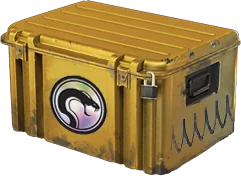
Recoil Case
A widely opened container with a broad finish pool.
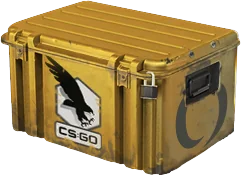
Clutch Case
An older container that still circulates in inventories.
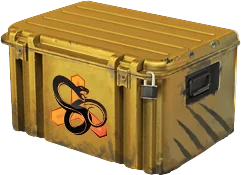
Snakebite Case
A low-cost container frequently used in examples.
The odds, and why they are weighted
Case opening does not give every finish an equal chance. The outcome is weighted, meaning common rarities appear far more often than rare ones. In practice the great majority of openings land in the lowest tiers, while the striking weapon skins people remember from highlight clips sit at the very thin end of the distribution. This weighting is fixed and public in principle, so no strategy, pattern of play or purchase order changes the underlying chance of any single opening. Each opening is also independent: a long run without a rare pull does not make the next one more likely.
Rarity outcomes you can pull
Every possible result belongs to a colour-coded rarity tier, the same tiers used across the cs2 skins system. From most to least common these run through Mil-Spec (blue), Restricted (purple), Classified (pink) and Covert (red), with an extremely rare Special tier (gold) reserved for knives and gloves. The table below shows illustrative percentages so you can picture the shape of the distribution. These figures are for learning only and are not exact game values.
| Rarity tier | Colour | Approximate chance (illustrative) |
|---|---|---|
| Mil-Spec | Blue | ~ 79.9% |
| Restricted | Purple | ~ 16.0% |
| Classified | Pink | ~ 3.2% |
| Covert | Red | ~ 0.64% |
| Rare Special (knife / gloves) | Gold | ~ 0.26% |
Notice how steeply the chances fall as the colour climbs. The blue tier alone accounts for the large majority of openings, while the gold Special items are rarer than roughly one in three hundred. Any wear condition and pattern is then rolled on top of the chosen finish, which is why two identical pulls can still differ in value on the skin market.
Thinking about expected value
Expected value is a simple way to describe the average result of an opening over the long run. You take each possible outcome, multiply its value by its chance, and add those pieces together. Because rare outcomes are so unlikely, the average value returned by opening tends to sit below the combined cost of the case and its key. That gap is normal and is the reason opening should be viewed as entertainment rather than a way to gain cs2 skins cheaply. If your goal is a specific finish, buying it directly is usually more predictable than chasing it through openings, and comparing cs2 case prices against single-skin prices makes that trade-off clear.
See an opening for yourself
For readers 18+ only. This is informational content, not gambling advice - never spend more than you can comfortably lose.
Staying informed and 18+
Case opening involves randomness and real cost, so a few habits keep it in perspective. Treat every published percentage as a probability, not a promise, and remember that outcomes are independent from one opening to the next. Set a firm budget in advance and stop when you reach it. Understand the difference between the historical CSGO cases and the current CS2 containers, and read the wider background in our CSGO skins guide and weapon skins overview. If a question is not answered here, our FAQ collects the common ones. Above all, this material is educational only, intended for adults aged 18 and over, and it is not a recommendation to open cases.
Continue when you are ready
Confirm you are 18+ and understand this is informational only before visiting any external platform.
Frequently asked questions
How do the case opening odds actually work?
Each case has a fixed, weighted set of probabilities. Common tiers appear far more often than rare ones, and every opening is independent, so past results never change the odds of the next opening.
Is case opening gambling, and is there an age limit?
Case opening involves chance and real cost, so it should be treated maturely and only by adults aged 18 or over. This page is informational and educational only and is not gambling advice.
Why do I need both a case and a key?
The case is the sealed container and the key is the separate item that unlocks it. One opening always uses one of each, so the true cost is both prices combined.
Are the percentages on this page real?
No. All percentages and prices here are illustrative learning examples, clearly labelled as such, and are not exact in-game values.
Can I improve my chances with a strategy?
No. The odds are weighted and fixed, and outcomes are random and independent. No timing, order or pattern of play changes them.
Is opening a cheap way to get skins?
Usually not. Because the average expected value tends to fall below the cost of a case plus its key, buying a specific skin directly is often more predictable.