CS2 Skins Guide
This CS2 skins guide explains everything a newcomer needs to read a weapon finish correctly: rarity tiers, wear conditions, float values, StatTrak and the way these factors combine to set skin prices on the cs2 skin market.
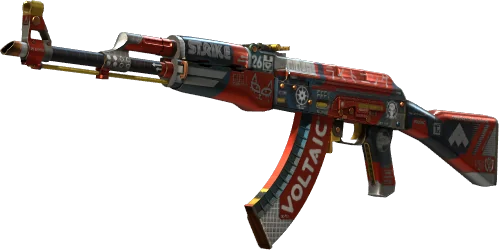
What is a CS2 skin?
A cs2 skin is a cosmetic finish applied to a weapon, knife or pair of gloves in Counter-Strike 2. Skins are purely visual - they do not change damage, accuracy or any gameplay statistic. What they do change is identity and value: two players with the same rifle can look completely different, and one of those finishes might be worth cents while the other is worth hundreds of dollars.
Rarity tiers explained
Every skin belongs to a colour-coded rarity tier. From most common to rarest, the tiers are Consumer Grade (white), Industrial Grade (light blue), Mil-Spec (blue), Restricted (purple), Classified (pink) and Covert (red). Above these sit the Rare Special items - knives and gloves - that appear as the yellow "gold" tier when unboxed. Rarity is the first thing that shapes a skin's price, because it directly reflects how often the item appears.
- Mil-Spec & Restricted - the bread-and-butter of most collections, usually affordable.
- Classified - noticeably scarcer and often where recognisable finishes live.
- Covert - the top standard tier, home to flagship rifles and snipers.
- Rare Special - knives and gloves, the rarest and priciest pulls.
Wear conditions and float value
Each skin also has a wear condition: Factory New, Minimal Wear, Field-Tested, Well-Worn and Battle-Scarred. Behind that label sits a hidden float value, a number from 0 to 1. A float near 0 means almost no visible wear; a float near 1 means heavy scratching and fading. Because a single design can exist across all five conditions, the same skin can span a wide range of prices depending purely on its float.
StatTrak, patterns and stickers
Several optional features add premiums. StatTrak versions count your kills on a small display and cost more than their standard counterparts. Certain finishes - case-hardened, marble fade, doppler and fade - have pattern indexes that make specific copies rarer and pricier. Applied stickers, especially rare tournament holos, can add anything from a few cents to thousands on top of a skin's base value.
How CS2 skin prices are set
Prices come from three interacting forces: rarity, condition and demand. A Covert skin from a popular case with a low float and a desirable pattern sits at the expensive end; a common finish in Battle-Scarred condition sits at the cheap end. Because supply and demand shift constantly, no price is permanent. To see how these forces play out across the wider economy, read our skin market explainer and compare figures on the case prices page.
See finishes in a live opening
Continue to the external, 18+ case-opening platform after reading the guides.
Frequently asked questions
Are CS2 skins the same as CSGO skins?
Yes. Counter-Strike 2 inherited the CS:GO inventory, so every csgo skin is now a cs2 skin, simply re-rendered on the Source 2 engine.
Do skins affect gameplay?
No. Skins are cosmetic only and give no competitive advantage of any kind.
Why is float value so important?
Float sets the exact wear, and wear strongly influences price. Collectors often pay a premium for the lowest floats in a given condition.
What makes a skin expensive?
A combination of high rarity, low float, popular design, StatTrak and valuable stickers. Knives and gloves are naturally the most costly.
Are the prices on this page real?
All figures across StashClash are illustrative and for learning only. Always check a live market for current values.