CS2 Case Prices
This page explains how cs2 case prices are formed, why an active container and a retired one can be worth very different amounts, and how to read price movements without guesswork. Every figure below is illustrative and for learning only - it is not a live quote.
A note on the numbers
All prices, ranges and "illustrative only" labels on this page are educational examples. They are not real-time market data. Always check a live marketplace before buying or selling.
What determines a case price?
A container is just a sealed box of possible cs2 skins, so its value is a bet on what might be inside plus how many boxes exist. In practice, four forces set the price. First is supply: how many copies of that case are in circulation. Second is the quality of the drop pool - a case that can yield a sought-after Covert finish or a knife commands more interest than one with a weak lineup. Third is demand from openers, traders and collectors. Fourth is availability: whether the case still drops in-game or has stopped appearing. Together these decide where cs2 cases sit on the price ladder.
None of these forces acts alone. A case with a brilliant knife pool but enormous circulating supply can still stay cheap, while a modest lineup with very few copies left can quietly become valuable. The most useful habit is to look at supply and drop pool together, then ask who is actually buying. That combination, rather than any single number, is what keeps cs2 case prices where they are on any given day.
Active versus retired containers
The single biggest split in case pricing is active versus retired. An active container is still handed out as a random weekly drop, so fresh supply enters the market constantly. That steady inflow keeps the floor price low - often just a few cents - because there is always someone with a spare to sell. A retired container no longer drops. Its supply is effectively fixed and slowly shrinks as people open boxes, so scarcity tends to push the price upward over long periods. This is why some old csgo cases that once cost pennies now trade for far more, while a brand-new case stays cheap despite an exciting drop pool.
Illustrative case price comparison
The table below lines up ten well-known containers with their status, a notable pull and an illustrative price band. Use it to see the pattern - active boxes cluster low, older retired boxes trend higher - rather than to read exact values. These are examples chosen to teach the shape of the cs2 skin market, not live figures.
| Case | Status | Notable pull | Illustrative price |
|---|---|---|---|
| Kilowatt Case | Active | Kukri Knife | ~ $0.60 |
| Recoil Case | Active | AK-47 Leet Museo | ~ $0.35 |
| Snakebite Case | Active | M4A4 In Living Color | ~ $0.30 |
| Revolution Case | Active | AK-47 Head Shot | ~ $0.40 |
| Prisma Case | Retired | Five-SeveN Angry | ~ $0.85 |
| Prisma 2 Case | Retired | AK-47 Phantom Disruptor | ~ $0.95 |
| Chroma 3 Case | Retired | M4A1-S Chantico's Fire | ~ $1.40 |
| Spectrum Case | Retired | AK-47 Bloodsport | ~ $1.60 |
| Clutch Case | Retired | M4A4 Neo-Noir | ~ $0.90 |
| Operation Broken Fang Case | Retired | M4A1-S Printstream | ~ $4.50 |
Prices shown are illustrative examples for education only and do not reflect any live marketplace.
How to read price movements
When you watch a container over time, three signals matter. A gradual, steady climb usually reflects a retired case whose supply is slowly being burned through case opening. A sudden spike often follows a change to the drop pool, a popular streamer feature, or news that a case is about to leave rotation. A slow drift downward tends to mean an active case with more sellers than buyers. Because case values and skin prices move together, comparing a container against the finishes it contains - using our weapon skins pages - helps you judge whether a box looks expensive or cheap relative to its contents.
Timing and context matter as much as the raw direction. A price that jumps overnight and then settles back within days was probably reacting to a headline rather than a lasting change in supply. A move that holds for weeks is more meaningful. It also helps to compare a container against similar cases from the same era: if one retired box climbs while its neighbours stay flat, something specific - a standout knife, a viral clip, or thinning supply - is usually behind it. Reading the pattern instead of a single snapshot is what separates a considered view from a guess.
Featured cases at a glance
These four containers show the range from a low-cost active box to pricier retired examples. Every price is an example only.
Kilowatt Case
Steady weekly drops keep the floor price low.
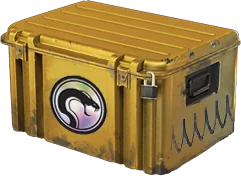
Recoil Case
A popular active box with a busy supply.
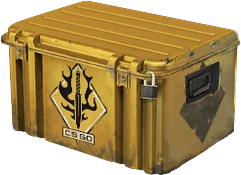
Spectrum Case
Fixed supply lifts the value over time.
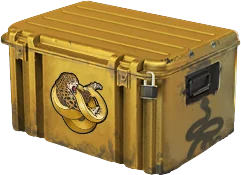
Broken Fang Case
A strong drop pool and scarce supply.
Browse Case Prices
Continue to the external, 18+ case-opening platform after reading the guides.
Where case prices fit in the wider market
Case prices are only one layer of the economy. The value of a container ultimately depends on the skins it can produce, which is why the two markets rarely move independently for long. If you are new to how finishes are valued, start with our cs2 cases guide and the legacy csgo skins guide, then return here to compare containers. For broader questions about buying, selling and trading, the skin market overview and the FAQ cover the practical details.
Frequently asked questions
Why are some CS2 cases so cheap?
Active containers still drop in-game every week, so new supply arrives constantly. That steady inflow keeps floor prices near a few cents regardless of how good the drop pool is.
Why do retired cases cost more?
Once a case stops dropping its supply is fixed and slowly shrinks as boxes are opened. Scarcity plus ongoing demand tends to push retired case prices upward over time.
Are the prices on this page real?
No. Every figure here is illustrative and for education only. Always check a live marketplace before making any decision to buy or sell.
Do CSGO cases and CS2 cases share a price history?
Yes. Counter-Strike 2 inherited the CS:GO inventory, so older csgo cases carry their long price histories straight into the CS2 economy.
Does opening a case guarantee profit?
No. Case opening is chance-based and most outcomes are worth less than the case and key combined. Treat it as entertainment, not investment.
What makes one case more expensive than another?
Supply, the strength of the drop pool, ongoing demand and whether the case is still in rotation. A scarce container with a desirable knife or Covert pool usually sits at the top.